
5 Things To Do - if you're selling your house during the pandemic.
Houses are selling during the coronavirus pandemic. Follow these simple to do’s which are part of the recommendation from CDC.

Clean AND disinfect frequently touched surfaces daily. This includes tables, doorknobs, light switches, countertops, handles, desks, phones, keyboards, toilets, faucets, and sinks.
At the Ouellette Realty Group Inc, we have the technology to assist you in the successful selling of your house during this pandemic time.
We are here to assist you and potential buyers to remain safe and secure during the home selling process.
Yes, You Can Buy (and sell) a House during the Pandemic!
You Can Buy and Sell a Home during these time!

You can perform a real estate transaction from the comfort of your home.
Showings to visit a home can be performed virtually - via different platforms.
For listing a property to sell - home photography and virtual tours can be completed.
We request from homeowners to wipe down all surfaces before buyers visit properties.
Our staff wear personal protective equipment such as mask and gloves and follow CDC guidelines for social distancing. We request that buyers do the same for their safety. Also buyers will be limited to 1 or 2 persons per showing.
Our equipment is disinfected after each home visits.
Inspectors and appraisers are continuing to perform their duties following CDC guidelines.
Closing of transactions are completed with limited human to human contact as much as possible following CDC guidelines.
If you have any questions, please contact us directly via phone or email.
We will be glad to assist you.
Canada Fest 2020 February 8th, 2020
Canada Fest 2020

Thank you for all that came and visited my booth at Canada Fest 2020 on Saturday February 8th, 2020. We had a wonderful turn out - distributed reusable magenta colored Ouellette Realty Group bags and we ran out of them! It was a beautiful day to enjoy music and the weather!
When you have any needs in real estate in South Florida, please contact us at 561-707-4535 or vaouelet@gmail . We offer professional and personalized real estate services.
What To Know : 8 Factors That Enhance A Home's Value
Looking to enhance your Home Value to potentially sell your property in the future.
Check out these tips!!!
8 Factors that Enhance A Home’s Value

***SOLD***HOUSE FOR SALE: 4 Bedrooms, 2 Bathrooms - Indian River Estates - Fort Pierce, Florida
***SOLD***Lake Front View House For Sale - 4 Bedrooms, 2 Bathrooms Home in Indian River Estates Fort Pierce, Florida


MOVE IN READY 4/2 LOCATED IN DESIRABLE INDIAN RIVER ESTATES. HOME CAN BE USED IN MULTIPLE CONFIGURATIONS. 2 MASTER BEDROOMS OR 3/2 WITH INLAW SUITE WITH SEPARATE ENTRANCE.. ALL LIVING AREAS TILE. NEWER A/C. SEPTIC SYSTEM REPLACED 2019. LARGE OPEN FLOOR PLAN. FRESHLY PAINTED. SCREENED PATIO WITH ACCORDIAN SHUTTERS. LARGE FENCED CORNER LOT FACING BEAUTIFUL PALM LAKE. LARGE STORAGE SHED. CLOSE TO BOAT RAMPS AND RECREATION
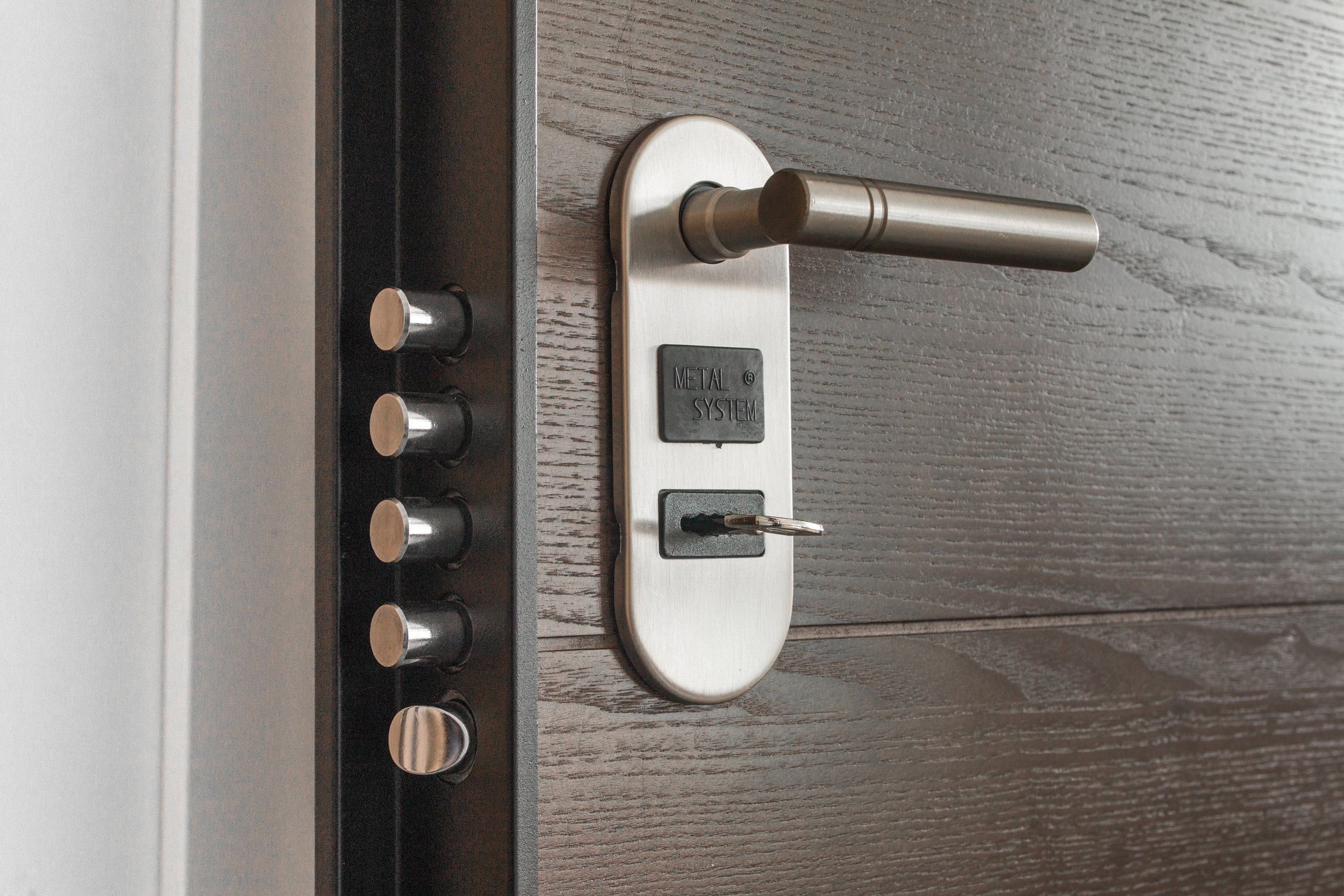
Do-It-Yourself Home Security Check: 5 Essential Steps
Conduct a do-it-yourself home security check by walking around your house to assess what needs to be done to reduce the risk of a break-in.
A professionally installed and monitored home security system is a nice addition to your home’s defenses, but it shouldn’t be step one.
First, conduct your own home security check. After you’ve inspected your home’s doors and windows, make sure these essential steps are covered:
1. Keep your home well-maintained on the outside.
Burglars want an easy target. Stand on the street outside your house and ask yourself: Does my property look neglected, hidden, or uninhabited? A front door or walkway that’s obscured by shrubbery offers crooks the perfect cover they need while they break a door or window. To improve security, trim shrubs away from windows and widen front walks.
2. Install motion detector lights.
All sides of your house should be well-lit with motion-activated lighting, not just the front. Simple motion-activated floodlights cost less than $50 each, and installing them is an easy DIY job if the wiring is already in place.
3. Store your valuables.
Thieves want easy-to-grab electronics, cash, jewelry, and other valuables, though some are not above running down the street with your flat-screen TV. Most make a beeline for the master bedroom, because that’s where you’re likely to hide spare cash, jewelry, even guns. Tour each room and ask yourself: is there anything here that I can move to a safe deposit box? Installing a home safe ($150 to $500) that’s bolted to your basement slab is a good repository for items you don’t use on a daily basis.
4. Secure your data.
While you probably won’t be putting your home computer in a safe anytime soon, take steps to back up the personal information stored on it. Password protect your login screen, and always shut off your computer when not in use (you’ll save energy, too!) Don’t overlook irreplaceable items whose value may hard to quantify, like digital photos.
5. Prepare ahead of time in case the worst happens.
Take a photo or video inventory of items of value in your home, and store the file online or in your home safe.
Check that you’re properly insured for theft. Note that high-ticket items in your home office, such as computers, professional camera equipment, or other business essentials, may require an additional rider or a separate policy.
https://members.houselogic.com/articles/do-it-yourself-home-security-check-5-essential-steps/preview/

8 Eye-Opening Things Home Inspectors Can't Tell You →
https://www.houselogic.com/spotlight/make-offer-win-without-overpaying/
By: Leanne Potts
Published: December 21, 2018
What's included in a home inspection may not be as important as what isn't.
A home inspection may feel like a final exam, but it's not quite so clear cut. Your inspector's report won't include a clear-cut A+ if a house is a keeper or an F if it's a money pit.
What is included in a home inspection report is a set of neutral facts intended to help you decide on a home's final grade.
Oh sure, a seasoned inspector will know if a home is a safe bet or full of red flags. But they're actually bound by a set of rules that limit what they can tell you.
Here's what they can't say:
#1 Whether They Would Buy This House
Here's the big one: Many buyers think an inspector will give them a thumbs up or thumbs down, but they can't. Giving real estate advice violates the International Association of Certified Home Inspectors' code of ethics.
Clues to look for: Count up your issues. "The average inspection turns up around 20," says Larry Fowler, a home inspector in Knoxville, Tenn., who has done around 10,000 home inspections in his 22 years in the business. “If there are more than 30 items, you may have a bad house," Fowler adds. "If there are fewer than 10 items on the list, you may have a bad inspector."
The bottom line is that every house and buyer are unique and what inspection results one person is fine with, another may not be. Confer with your agent once you have the report.
#2 If It Has Termites, Rats, or Mold
Yikes! You might assume this trio of homewreckers would be part of every house inspection checklist, but your inspector isn't licensed to look for them.
Clues to look for: Inspectors can note that those sagging floors are evidence of termites, or that shredded insulation is evidence of rats, or the black stuff on the walls is evidence of fungal growth. To turn evidence into proof, ask a specialist for a follow-up inspection.
#3 If the Pool or Septic System Are in Good, Working Order
Home inspectors aren't certified to inspect everything that could appear in any home. So for example, if there’s a pool, some may turn on the pool pump and heater to make sure they work, but they won't look for cracks or plumbing leaks. You'll need to find a pool inspector. In other cases, you may need a septic systems or wells expert, an asbestos or radon specialist, etc.
Clues to look for: Any special feature is your cue to find a specialist. "We're general practitioners," Fowler says.
And here's a bonus tip: Consider a home's advanced age a "special feature," as they're likely candidates for lead paint, asbestos, and other old-home hazards.
#4 That They're Making The House Look Worse Than It Is
Some inspectors make note of every tiny thing in a house, even inconsequential ones. Like chipped paint. Scratched windows. Surface mold in a shower. These folks are sometimes known as deal killers. “Some inspectors like to show they know more than somebody else," Fowler says. “It's annoying."
Clues to look for: If your inspector's report is pages long and full of items that won't hurt the value of the home, it's probably not a big deal. Sit down with your agent, and go through the report to determine which (if any) issues could affect your offer.
#5 If That Outlet Behind the Couch Actually Works
An inspector can only check what they can see without moving anything. This means the foundation could be cracked behind that wood paneling in the basement. Or the electrical outlet behind the sofa might not work.
Clues to look for: The inspector should note if they're unable to inspect something critical. Consult with your agent about what to do, such as asking the seller to take down the paneling or offering to pay to have it removed. Alternately, offer a lower price.
#6 Whether They've Inspected the Roof Closely
Some inspectors will climb up on the roof to look closely at shingles and gutters — but they're not required to. If it's raining or icy, or the roof is steep or more than two stories high, they can stay on the ground and report what they can see from there.
Clues to look for: They should note whether they walked the roof, but if it's not clear, ask. If they haven't, keep this in mind when evaluating their roof inspection report. They should still note any missing or damaged gutters or downspouts and the general condition of the roof based on what they can see from the ground.
#7 What You Should Freak Out About (or Not)
It's an inspector's job to find things wrong with the house. Big things, little things, all the things. It's not their job to categorize them as NBD or OMG. A checkmark next to a crumbling foundation will look the same as a checkmark next to chipped paint.
A few things you may find on an inspector's report that aren't a big deal:
Condensation in a basement or crawl space
Early signs of wood rot on trim
Cracks in bricks from the house settling
Faux stone siding that's been improperly installed
Radon levels below 4 pCi/L
These items, however, could trip your freak-out response (if you're not prepared to address them):
Standing water in a basement or crawl space
HVAC not working
Outdated wiring, especially knob-and-tube wiring or aluminum wiring
Wood rot
Old plumbing pipes
Radon levels above 4 pCi/L
#8 Who They'd Recommend to Fix It (and How Much It Will Cost)
Your inspector may seem like the perfect source of insider info on repairing issues they see all the time, but the opposite is actually true.
You don't want your inspector to make financial decisions based on their report. Think about it: If an inspector's buddy Steve gets a plumbing gig every time a certain issue turns up on a report, it gives that inspector some pretty big (and not cool) motivations to find that issue.
Even giving you a price range for the repair is off-limits. It's not their area of expertise, it creates a conflict of interest (they could be endorsing Steve's great deal, after all), and, perhaps most importantly, it's against the ethics rules.
Clues to look for: This is good home ownership practice. Try to price out every item on your home inspector's report, big and small. Do some research, and call three contractors or check out three retailers for the service or part needed to resolve each issue. You've got this, future homeowner!
Related: What to Expect During a Home Inspection

4 Good Reasons to work with me, a licensed REALTOR in South Florida.
1- Expert Knowledge and Education - You want a professional to speak the language and understand the paperwork to your advantage to get you the best deal, avoid delays or pricey mistakes.
2- Marketing and search power – property marketing allows reaching a larger number of potential buyers – through a range of marketing practices and practitioner’s contacts. The REALTORs search power can go outside the online property search engines and avoid out of date information for their buyers.
3- Negotiation experience and knowledge in local real estate market.
4- Ethical Responsibility – Realtor in Florida adhere to a strict code of ethics to protect the public in all real estate transaction-related matters.